

There were no flashing lights or breaking news banners attached to the title. It developed gradually until the truth was indisputable, much like the steady rising of yeast in a warm kitchen. For fourteen years, Canadians had to pay inflated costs for bread, one of their most fundamental necessities. The covert conspiracy, which was masterminded by some of the most prominent figures in the supermarket industry, was subtle but incredibly successful.
Loblaw Companies and George Weston Ltd. participated in a price-fixing conspiracy between 2001 and 2015 that increased the price of packaged bread without providing a discount to the typical consumer. Each rise appeared to be slight, hardly noticeable. However, those pennies eventually grew into millions. By distributing $25 gift cards when the issue eventually surfaced in 2017, Loblaw tried to minimize the harm, but given the billions that were probably overcharged throughout the two-decade period in question, this amount now seems glaringly inadequate.
After admitting guilt, Canada Bread received a $50 million fine—the highest amount ever imposed by the nation’s competition authorities. Walmart, Metro, Sobeys, and other significant actors are still being investigated. Even if they have denied any involvement and are still fighting any accusations, suspicion still hangs over their names.
The legal process gradually shifted toward a partial settlement by 2025. A class-action settlement, totaling $500 million, was made available to almost all Canadians who bought packaged bread from supermarkets during a 20-year period. It was a pleasantly easy application process, requiring only a sworn declaration and no evidence of purchase. This accessibility was extremely helpful to many, notably low-income families, elders, and students who had long been burdened by the unseen cost of overpricing.
| Detail | Information |
|---|---|
| Case Name | Canadian Bread Price Fixing Class Action Settlement |
| Core Companies | Loblaw Companies Ltd., George Weston Ltd. |
| Industry | Grocery and Packaged Food Retail |
| Alleged Conduct Period | 2001 to 2021 |
| Settlement Value | 500 million Canadian dollars |
| Court Approval | Ontario and Quebec Superior Courts |
| Consumer Eligibility | Canadians who bought packaged bread |
| Proof of Purchase | Not required |
| Estimated Individual Payout | Around 25 Canadian dollars |
| Reference Source | https://www.canadianbreadsettlement.ca |
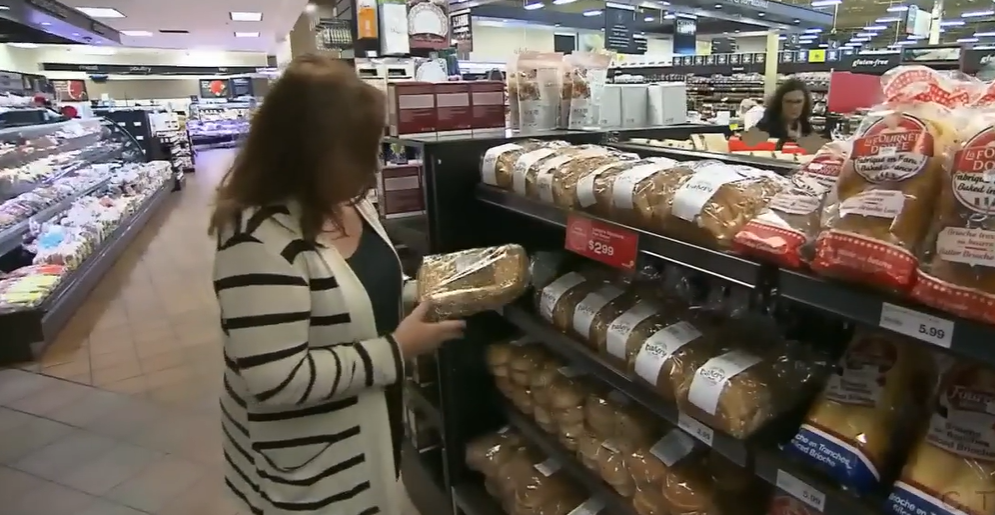
My mother and I sat at the kitchen table and I walked her through the online form. Half-joking but clearly irritated, she questioned, “They really think $25 makes up for it?” She had been going to the grocery store every week for years, and like most Canadians, she trusted the system to be fair. When she learned that trust had been subtly manipulated, she was left with more questions than answers.
Outside of Quebec, almost 1.4 million claims were filed, demonstrating the extent to which this scam affected the populace. Although many did not anticipate receiving a windfall, the act of claiming felt symbolic, as if they were regaining some small measure of their dignity. One of the attorneys involved in the class-action lawsuit, Jay Strosberg, pointed out that practically everyone purchased bread, highlighting the case’s universality. In disguise, this was a collective deception rather than a niche swindle.
Even while the recompense is acknowledged, there is still more to be desired. The anticipated compensation for claimants ranges from $25 to $100. This range is determined by the percentage of claims that pass fraud checks as well as the amount allocated for administrative and legal fees. Nor does the deal mean the end. Future deals with businesses still involved in legal proceedings might increase the overall settlement. In the future, Canadians who have already filed claims may be eligible for extra compensation.
This situation is especially illuminating because it is invisible. The shelves were not empty. No recalls of products. No exposés of whistleblowers or viral videos. A silent agreement between corporate rivals to raise prices simultaneously—just business as usual. It serves as a warning that not all scammers have flashing red lights; some lurk in plain sight, tucked away in normal activities.
The bread controversy raises issues that go beyond money. It shows a decline in trust in organizations that used to seem quite trustworthy. Despite being promoted as reliable community leaders, grocery chains were found to be taking a little extra money from each transaction. The betrayal was psychological as well as monetary. Many people’s perceptions of price tags, loyalty cards, and even weekly promotions were altered by this instance.
However, there is something positive about the way Canadians reacted—not with rioting and indignation, but with coordinated legal pressure and tenacious claims. Despite being bureaucratic, the procedure was managed with remarkable openness. The administrators’ seriousness in reducing access barriers is demonstrated by the fact that no receipts were needed.
There was more to this than bread. Finding the boundary between permissible profit and unacceptably manipulative behavior was the issue. Realizing that even the tiniest daily purchases are a part of a larger system was the key. Perhaps most significantly, it was about subtly bringing back public accountability in an industry that had too long functioned without enough control.
